Work
I build the platforms, teams and habits that carry organizations into AI-native work.
Engineering leader in the Washington, DC area. Ten years in infrastructure, now leading platform engineering and AI adoption, co-founding companies on the side, and studying business at Georgetown.
- deploys a month
- 4 → 150+
- June 2025 to February 2026
- lead time for changes
- < 10 h
- same period, no failed changes
- building infrastructure
- 10 years
- since 2016, Washington, DC
Platforms
The road engineers ship on.
I started as the only Linux engineer at a DC government agency. Ten years later I lead the team that builds the platform a company's engineers ship on: infrastructure, CI/CD, reliability, and the security work that keeps it trustworthy.
- Deploys went from about 4 a month to 150+, with lead time under 10 hours (June 2025 to February 2026)
- Led SOC 2 and GDPR readiness with executive leadership
People
Teams first, tools second.
I hired most of a distributed platform team and set its hiring bar and ways of working. Outside work I teach and mentor people breaking into tech through Dona Institute. The question I keep asking: how does someone grow into a role that AI is rewriting while they do it?
- Built a distributed platform team and set its hiring bar and ways of working
- Mentor and educator at Dona Institute
- Earlier: led and mentored three engineers on AWS reliability
AI-native organizations
Individual speed-ups are not an organization.
I lead AI adoption across a company: the tooling, the responsible-use guidelines, and enablement for teams far from engineering. My rule is simple. Anything done twice should be automated, and every engineer should be able to build that automation, not wait for one person who can.
- AI tooling and responsible-use guidelines for engineering and product
- AI assistants connected to company knowledge, rolled out to non-technical teams
- I run my own work on a multi-agent setup: Claude, ChatGPT and Gemini, each with a defined role
Ventures
-
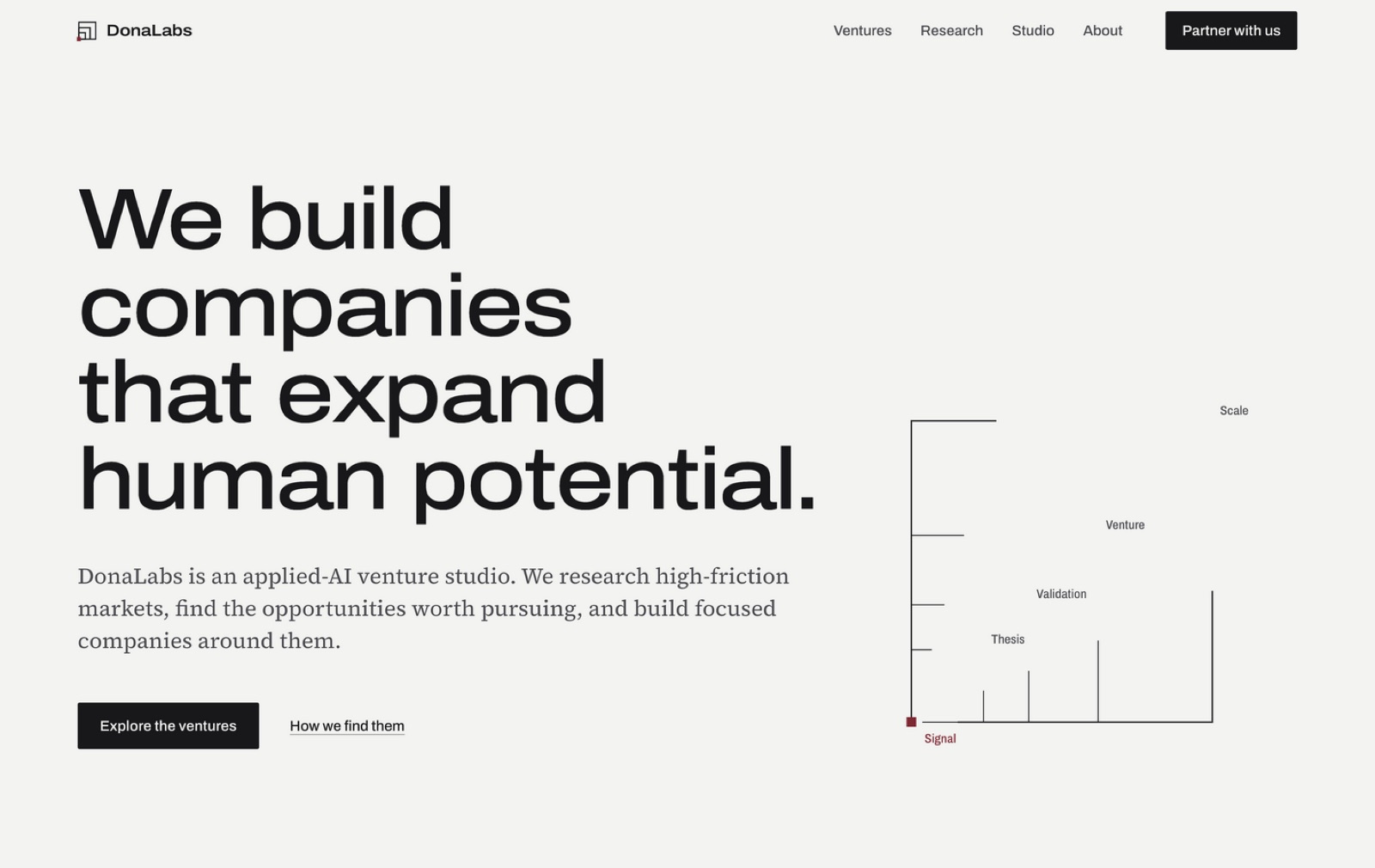
DonaLabs
A venture studio building companies that expand human potential through health, work, learning and community.
donalabs.org(opens in a new tab) -
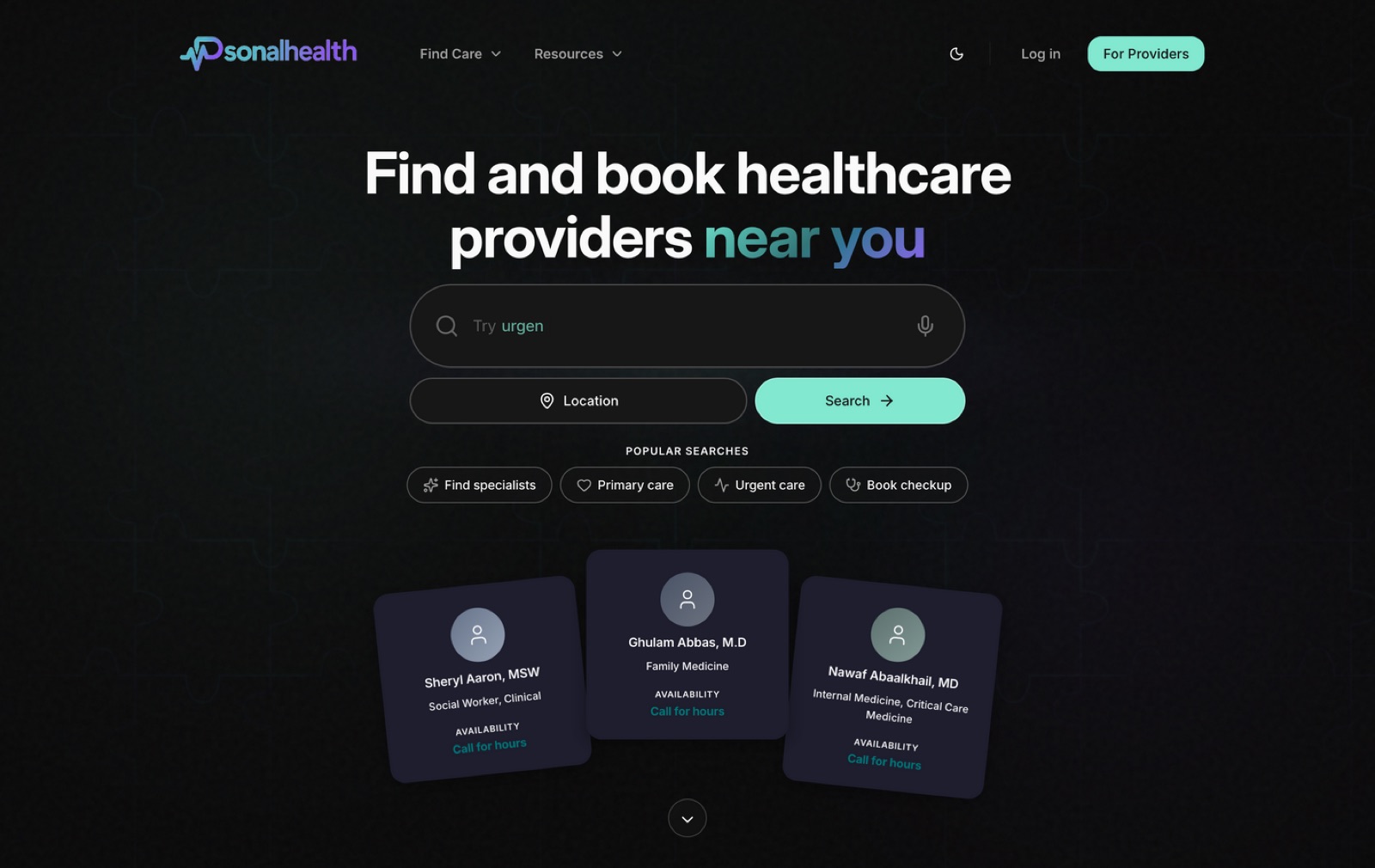
PsonalHealth
Helps people make better healthcare decisions, starting with finding and booking the right provider.
psonalhealth.com(opens in a new tab) -
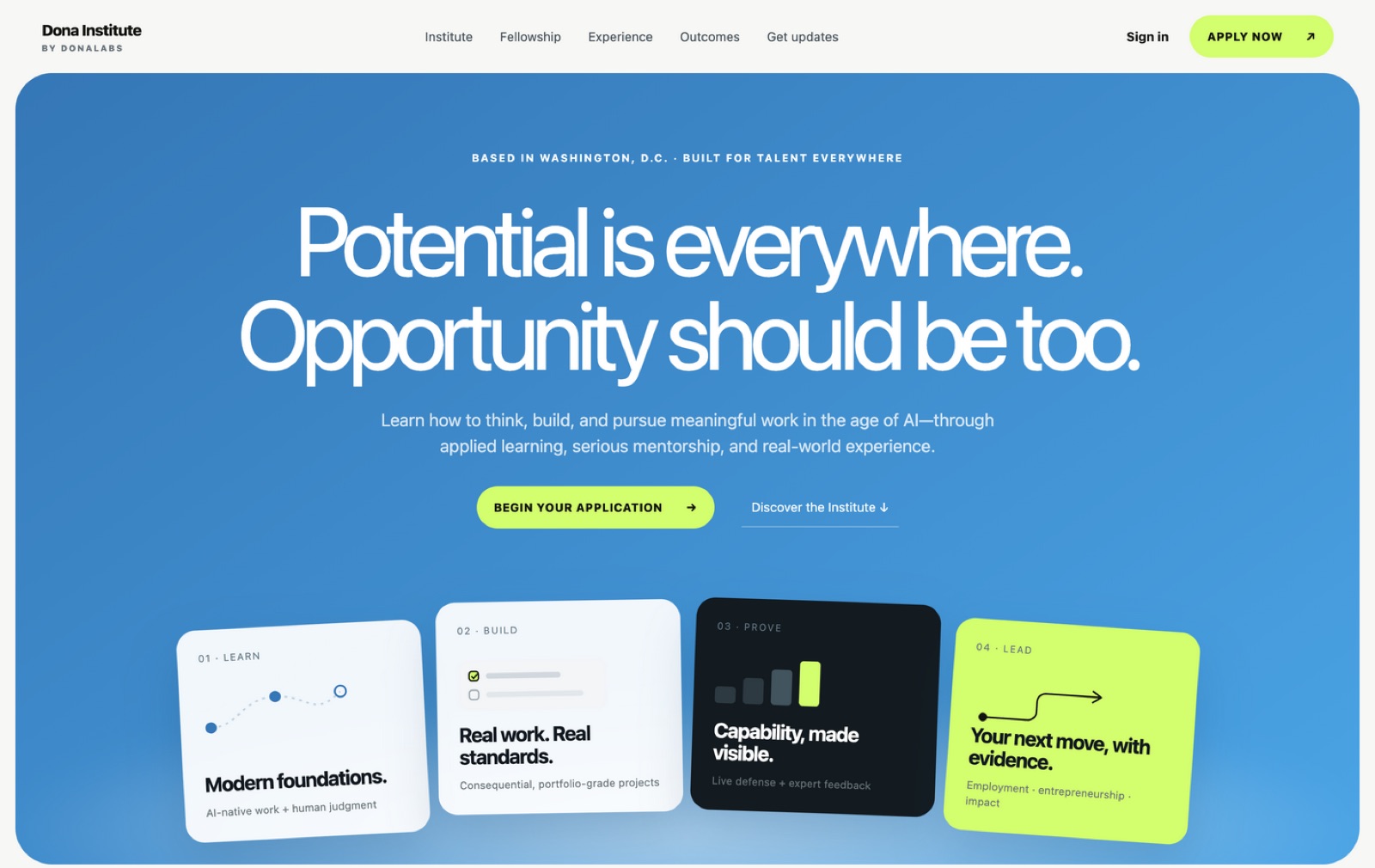
Dona Institute
Develops builders, leaders and AI-native professionals through applied learning, mentorship and real projects.
institute.donalabs.org(opens in a new tab)
The arc
2026tonow
Executive MBA, class of '28
Georgetown University, McDonough School of Business
Business judgment on top of technical depth.
2024tonow
Co-founder & CTO
PsonalHealth
Co-founder
DonaLabs
Product and technology strategy for a health navigation company, inside a venture studio.
2023tonow
Platform Engineering Team Lead
SolidProfessor
Platform engineering and company-wide AI adoption.
2022to2023
Senior Platform Engineer
Evolve
Led and mentored three engineers on AWS reliability and modernization.
2021to2023
Senior DevOps Engineer
Traliant
Owned DevOps for engineering; reusable Terraform cut environment build time about 50%.
2019to2020
Cloud Systems Engineer (contract)
Stride (K12)
Moved workloads from an in-house datacenter to AWS; automation halved deploy time.
2016to2018
Linux Systems Engineer (contract)
District Department of Transportation
The only Linux engineer: production systems, early cloud, disaster recovery.
How I lead
-
Enable, don’t gatekeep.
A platform team succeeds when other teams stop needing it for the everyday. Paved roads, good defaults, and documentation people actually read.
-
Anything done twice gets automated.
And the person who did it twice should be able to build the automation. That is what AI changes: who gets to build.
-
Outcomes over activity.
Deploys, lead time, failure rate, hours given back. If we cannot see it change, we did not change it.
-
Make room to experiment.
Organizations get faster with AI when leaders redesign the work and protect time to try things, not when individuals quietly speed up.
-
Grow people on purpose.
Care personally, challenge directly. The best thing a platform can produce is engineers who can lead.
Education
- Georgetown McDonough
- Executive MBA, class of '28 (in progress)
- University of the District of Columbia
- B.S. Computer Science, cum laude, 2020 Senior project: DevOps and Cloud Technology (video) ↗